
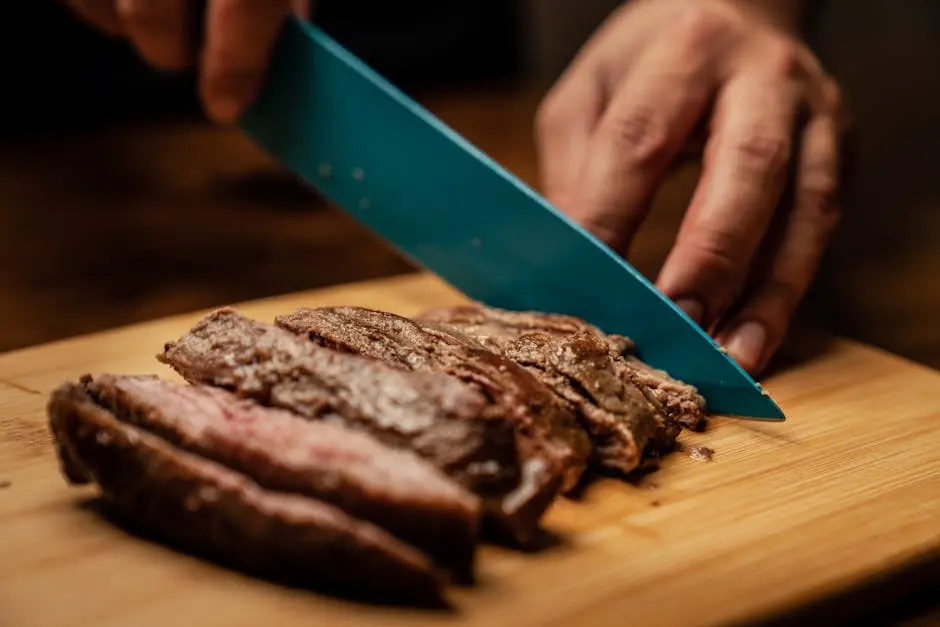
Steak is not just a meal; it’s an experience. From selecting the perfect cut to the rich flavors developed during cooking, every step of the steak journey enhances its taste. In this guide, we’ll explore everything you need to know about steak, ensuring that whether you’re a novice or a seasoned chef, you’ll savor every bite.
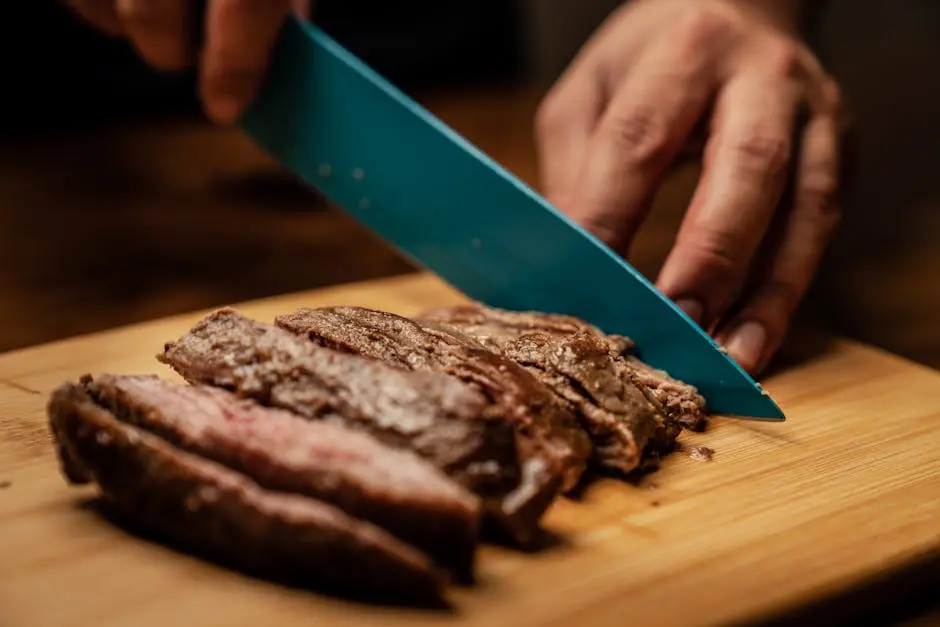
Understanding Different Cuts of Steak
Steaks come in a variety of cuts, each with its unique flavor profile and texture. In this section, we’ll break down the popular cuts such as ribeye, sirloin, and filet mignon, explaining what makes each one special.
For instance, the ribeye is renowned for its rich marbling, which results in a juicy and flavorful steak. It is often considered a favorite among meat lovers due to its tenderness and rich taste. Conversely, the sirloin offers a leaner option that still delivers exceptional flavor, balancing a satisfying chew with a delightful beefy essence.
The filet mignon, on the other hand, is a showcase of elegance and tenderness. Known for its buttery texture, filet mignon is often the star of high-end dining experiences. Each cut of steak brings its own unique characteristics to the table, allowing for a variety of culinary experiences.
Understanding these cuts empowers you to select the right one for your cooking method and personal taste. Dive into your steak journey with confidence as you learn to choose the perfect cut for any occasion.
Sourcing Quality Steak: What to Look For
Choosing high-quality steak is essential for a delicious outcome. This section will guide you on how to choose sustainably sourced meat, identify marbling, and understand the significance of aging.
When sourcing steak, consider buying from local butchers or farms that prioritize animal welfare and sustainability. This not only supports local businesses but also ensures that the meat you are purchasing is of top-notch quality. Look for labels that indicate humane treatment and responsible sourcing for a clear conscience while indulging.
Marbling, which refers to the small flecks of fat within the muscle, drastically affects how a steak cooks and tastes. Well-marbled steaks, like the ribeye, impart richer flavors and tenderness, while leaner cuts may require careful cooking to retain juiciness. Learning to assess marbling can elevate your cooking experience substantially.
Lastly, consider the aging process. Dry-aged steaks offer intensified flavors and improved tenderness, creating a culinary delight that can significantly enhance your meal. By understanding these factors, you can confidently choose steaks that not only meet your gustatory preferences but also support sustainable practices.
The Art of Cooking Steak: Techniques and Tips
Cooking steak can be intimidating, but with the right techniques, it can be simple and rewarding. We’ll cover various cooking methods including grilling, pan-searing, and sous-vide, along with tips for achieving the perfect doneness.
Grilling is one of the most popular methods, infusing your steak with a smoky flavor that cannot be replicated. Preheat your grill to ensure a good sear, which locks in juices and flavor. Remember to let your steak sit at room temperature before grilling; this ensures even cooking throughout the cut.
Pan-searing, on the other hand, is perfect for those who want a beautifully crusted steak without needing an outdoor grill. A heavy skillet, like cast iron, retains heat and can create a restaurant-quality sear at home. Don’t forget to butter-baste during the last minute for that extra layer of flavor!
Sous-vide cooking offers precise temperature control, allowing even novices to achieve perfect doneness. By cooking your steak in a water bath, sealed in a bag, you can set the steak to a specific temperature and finish it with a quick sear on high heat.
Understanding these cooking techniques helps demystify the process, allowing you to feel more confident in the kitchen. The joy of cooking steak lies in experimenting with methods and finding what works best for your taste and equipment.
Seasoning and Marinades: Enhancing Flavor
Seasoning is key to unlocking steak’s full flavor potential. This section will explore different herbs, spices, and marinades that complement various cuts, helping you find the perfect match for your meal.
For a classic approach, consider a simple seasoning of salt and pepper, allowing the rich flavors of the meat to shine. However, for those looking to experiment, try a marinade with garlic, rosemary, and a splash of balsamic vinegar for a zesty twist.
Marinating not only adds flavor but also can tenderize tougher cuts. A well-balanced marinade consists of an acid (like vinegar or citrus juice) and oil, which helps penetrate the meat while adding moisture. Let your steak marinate for at least 30 minutes, or up to overnight for more intense flavor.
Additionally, herb-crusted seasonings can add a layer of aromatic freshness. Consider combining fresh herbs like thyme, parsley, and oregano for a delightful herbal crust that enhances your steak experience. Remember, the goal of seasoning is to complement the natural flavors of the beef, so feel free to adapt and modify according to your personal taste.
Savoring Your Steak: Serving and Pairing
Presentation and pairing are important parts of the steak experience. Here, we’ll discuss how to properly serve steak, the best sides to accompany it, and ideal wine pairings that elevate your dining experience.
When serving steak, remember that resting is crucial. After cooking, let your steak rest for at least five minutes; this allows the juices to redistribute, ensuring a moist and flavorful bite. Serve it on a warm plate to keep it at the ideal temperature.
Sides matter as much as the main event. Classic accompaniments like garlic mashed potatoes, grilled asparagus, or a fresh salad can enhance the overall meal. Roasted vegetables provide a delightful contrast in flavors, adding both color and nutrition to your plate.
Pairing wine with steak can elevate the entire dining experience. A robust red like Cabernet Sauvignon or Malbec stands up wonderfully to rich cuts like ribeye or T-bone, while a lighter Pinot Noir complements more delicate flavors like filet mignon.
Ultimately, savoring your steak is about creating the perfect balance on your plate. By being mindful of quality, presentation, and pairing, you can transform each meal into a memorable feast.
Enjoy Your Steak Journey!
Mastering the art of steak preparation and enjoyment takes time and practice, but with the right knowledge and techniques, anyone can create a mouthwatering steak experience. Embrace your love for steak and elevate your cooking, one sizzle at a time.